Help & advice
Do I need to use 'bathroom paint' rather than emulsion?
Last updated: March 02, 2026
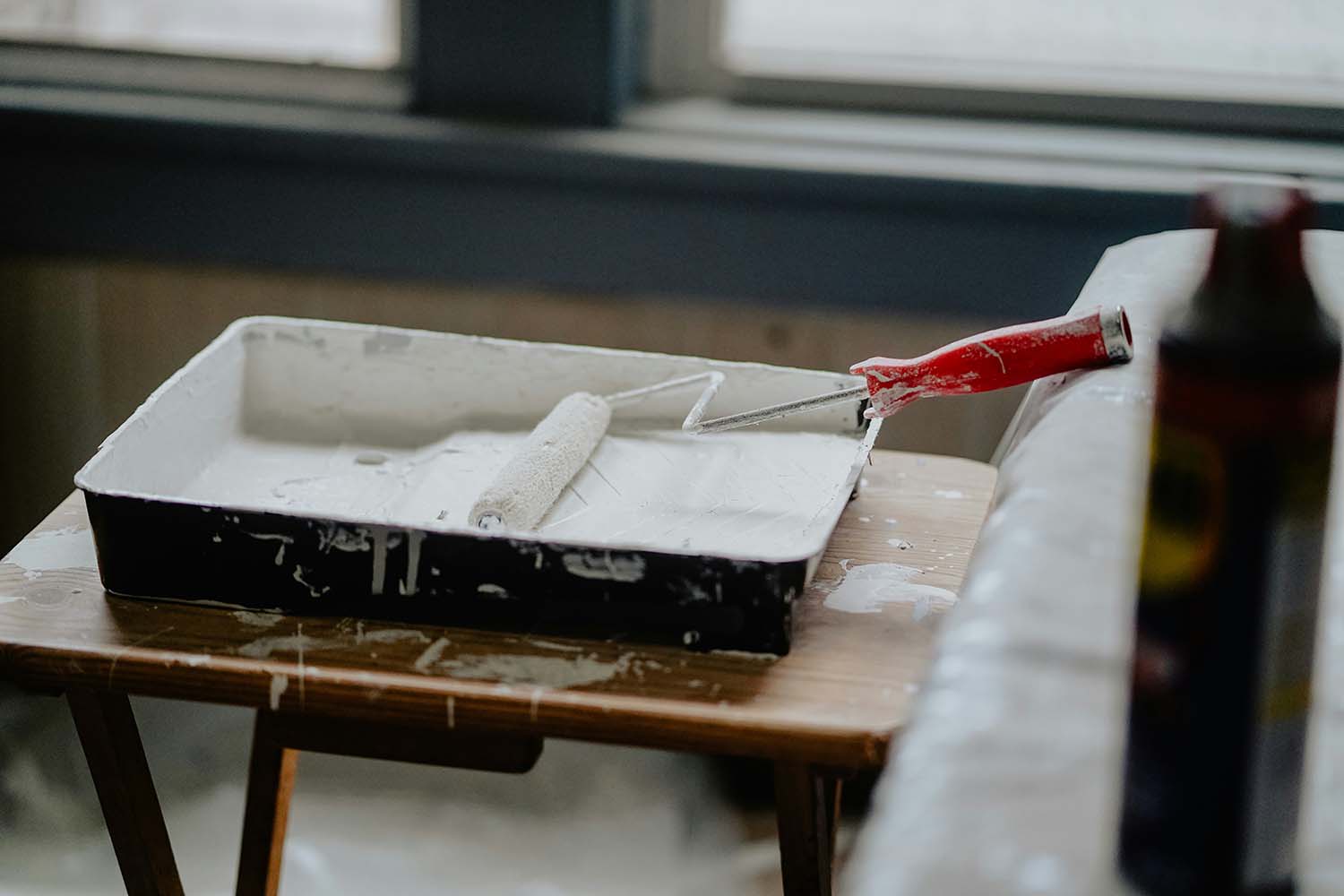
The answer is a resounding yes! Unfortunately, some of us found this out the hard way…
Choose a water based paint with natural, non-toxic ingredients and low VOCs - volatile organic compounds that release unpleasant gases. In addition, look for paint manufacturers minimising unnecessary transport and packaging.
Here's a list of reasons why using a bathroom paint is a good idea – and what you should be looking for in the paint you choose:
1. Moisture resistance
Bathrooms are prone to high humidity levels and moisture accumulation, especially during showers and baths.
Bathroom paint is formulated to resist moisture, preventing issues such as mould, mildew, and water damage.
2. Durability
Bathroom paint is designed to be more durable and long–lasting in humid environments. It resists peeling, cracking, and blistering, ensuring a more resilient finish in comparison to regular paint.
3. Easy to clean
Bathroom paint is typically formulated to be washable and easy to clean, helping it last longer.
4. Stain resistance
Bathroom paint often has stain–resistant properties, providing an added layer of protection against common bathroom stains such as soap scum, toothpaste, and cosmetic products.
5. Improved adhesion
Bathroom paint is formulated with better adhesion properties, ensuring that it bonds securely to various surfaces in the bathroom, including drywall, plaster, and previously painted walls.

Frequently asked questions
Do I really need to use 'bathroom paint' instead of regular emulsion?
Yes, 100%! Regular emulsion just isn't cut out for high-humidity spaces like bathrooms. Bathroom paint resists moisture, mildew, and mould, so you won't have to worry about peeling, cracking, or damp patches showing up down the line.
Can you use normal paint in a bathroom, or is bathroom paint different?
You can physically put normal emulsion on the wall, but it won't love you back. Bathroom paint has added moisture and mould resistance so it can cope with steam and regular splashes. If you're wondering 'is bathroom paint necessary?' the answer is yes if you want it to last (the same reason kitchen paint is tougher for cooking splashes).
What should I look for in a bathroom paint?
Go for a water-based paint with low VOCs (volatile organic compounds) to avoid harsh chemicals. Look for brands that use eco-friendly practices, like minimal packaging and transport. The paint should also offer moisture resistance, durability, and easy cleaning.
Why is moisture resistance important in bathroom paint?
Bathrooms see loads of humidity, especially from hot showers. Bathroom paint is formulated to handle this moisture, preventing the buildup of mould, mildew, and any water damage that regular paint can't withstand.
Can bathroom paint help with stains?
Yes! Bathroom paint is often stain-resistant, meaning it holds up against the usual bathroom offenders: soap scum, toothpaste, and cosmetics. It's also easy to clean, so you can keep it looking fresh with minimal effort.
Will bathroom paint stick to all surfaces?
Bathroom paint has improved adhesion, meaning it bonds better to surfaces like drywall, plaster, and even old paint layers, giving you a durable, long-lasting finish that won't start peeling off.
Renovating? Read more...
Bathroom
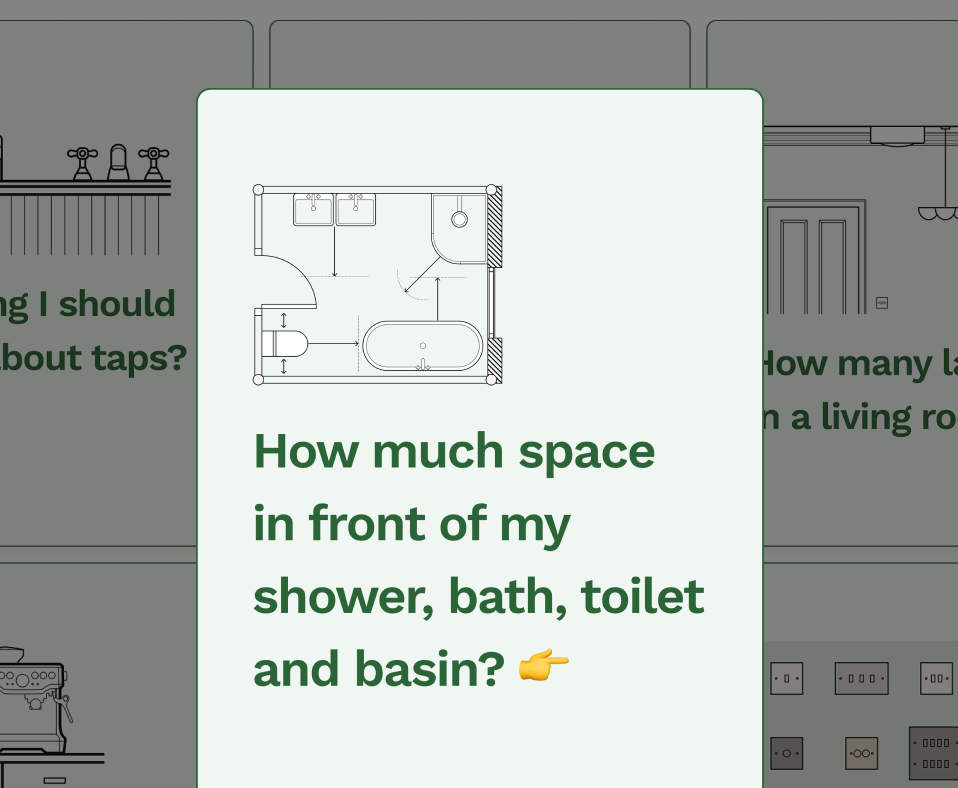
Dimensions and understanding the space needed around your bathroom items
You'll want at least 700mm of clear floor space in front of your basin, toilet, shower, or bath - basically enough room to use them comfortably.
All rooms
Save money, save energy and save water from your renovation.
You've got the vision for your dream room - colours, tiles, that perfect finish. But have you thought about how it's going to perform?
Bathroom
Can you add an ensuite to a small bedroom?
This requires careful planning and design to make the most of the available space. Here are some key considerations...
Free tools to get started


Join our mailing list and get 10% off
Who are you? *
By signing up, you are agreeing to our Terms and Privacy Policy including receiving emails from us at Reno (you can unsubscribe at any time). Opted out but want back in? Re-subscribe to the mailing list .
Start your renovation with Reno