Help & advice
Where are the radiators going? Same place as the old ones?
Last updated: March 10, 2026
Wait! Once the pipes are in, you will live with that decision for years to avoid having to move the bed or have the floor taken up again… so it's worth planning ahead where you actually want the radiators to be and why!
General guidelines
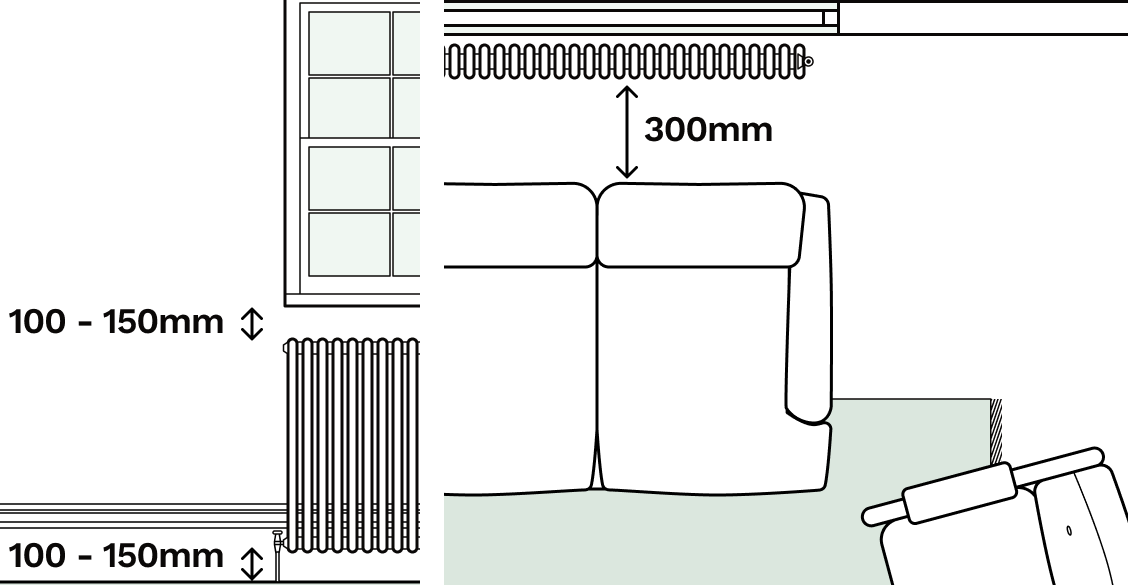
- Under the window or on the coldest wall. Traditionally, radiators sit under windows. Cold air falls from the glazing and warm air rises from the radiator, helping circulate heat around the room. In well insulated homes this effect is maybe less dramatic, but the space under a window is still difficult to use for furniture, so it often remains the most practical place.
- Not directly behind sofas, beds or large cabinets. As a rule of thumb, allow for around 300mm clearance between a radiator and large furniture (blocking the front of a radiator traps the heat around the furniture instead of the room).
- Around 100-200mm off the floor to allow the cold air below to be heated and circulated.
- A clear gap beneath the window sill about ~100mm - 150mm.
Radiator size is not just about what looks right
First you need to work out how much heat your radiator needs to generate. You'll come across BTUs - British Thermal Units as the way to measure heat output and get it right for your room. BTU depends on room size, ceiling height, insulation levels, window area.
Most online suppliers offer simple BTU calculators to give a reliable starting point.
Different types of radiators and fuel options
- Central heating radiators - Connected to your boiler and part of the main heating system.
- Electric radiators - Are independent from the boiler. As the UK electricity supply becomes greener, these can be a lower carbon option depending on your setup.
- Dual fuel radiators - Common in bathrooms. They run on central heating in winter and electricity in warmer months, so you can still dry towels without heating the whole house.
What if you’re replacing a combi boiler with a heat pump?
You do not usually need special types of radiators. Standard radiators can still work...
The key difference is temperature. Heat pumps run at lower water temperatures than gas boilers, which means each radiator produces less heat for the same size - and that’s why underfloor heating is the recommended option, or why you’ll hear about needing bigger radiators.
As part of a proper heat-pump installation, a room-by-room assessment is carried out which will work out the amount of heat you need and answer whether your existing radiators are big enough or whether some need to be replaced and ultimately help you establish where you should have what - underfloor heating or radiators.

Pipework and valves
You can easily forget how the radiator actually connects.
- Floor valves bring pipes up from the floor.
- Wall valves come through the wall behind
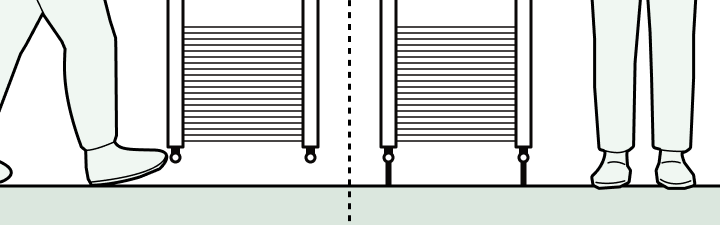
This affects what you will see every day and is much easier to plan before final floors and finishes go in.
Tricky spots
Bathrooms
Bathrooms follow slightly different rules - often because they can be so tight on space:
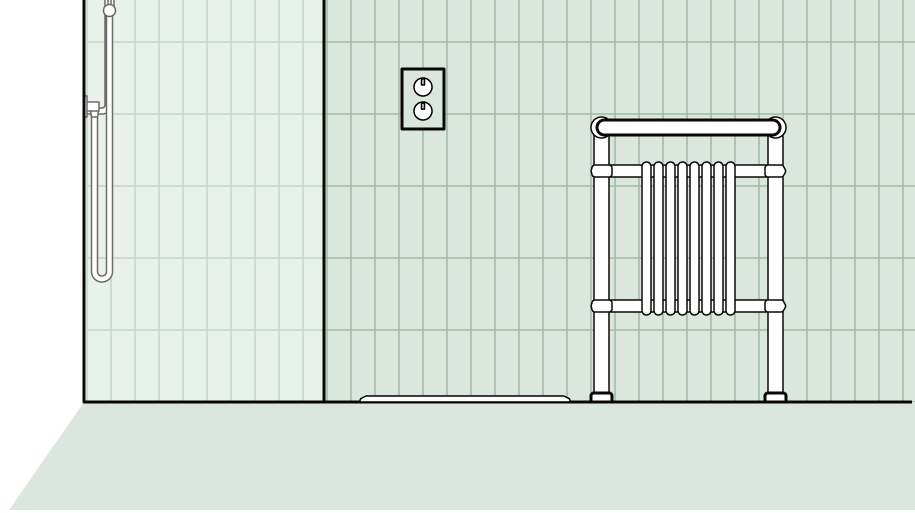
- Dual fuel towel rails are useful because they can run without the main heating.
- Position the rail within reach of the bath or shower, but not so close that it is constantly splashed.
- Underfloor heating could be a great addition - there are a couple of types of heating system, as well as compatibility with the type of flooring you choose and type of thermostat control to work out.

Bedrooms
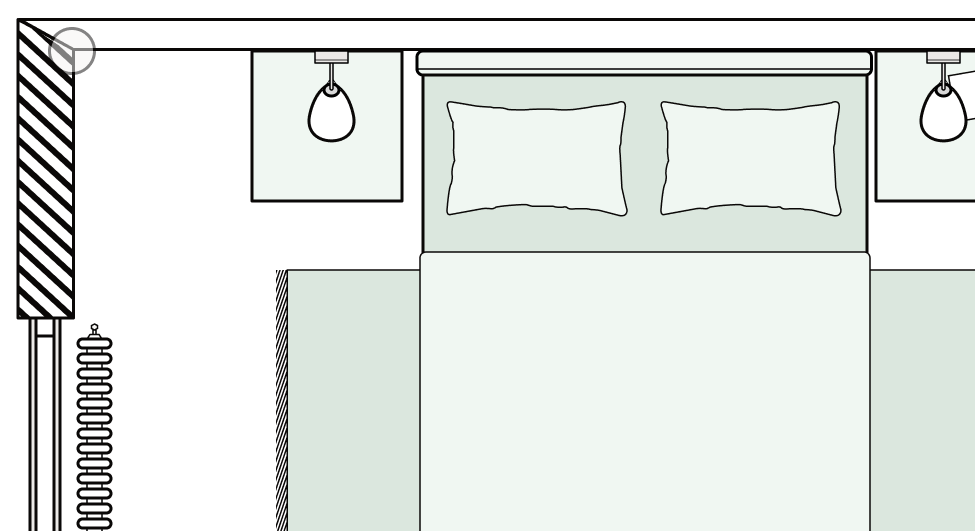
Radiator position affects sleep more than you might expect. A radiator too close to the head of the bed can make the sleeping area overly warm and stuffy - so when you're planning your layout it's worth fixing the bed position first, then planning the radiator(s).
Big doors out to the garden?
Large glazed doors and open layouts often remove the classic radiator spot. Think about vertical radiators, underfloor heating or multiple smaller radiators.
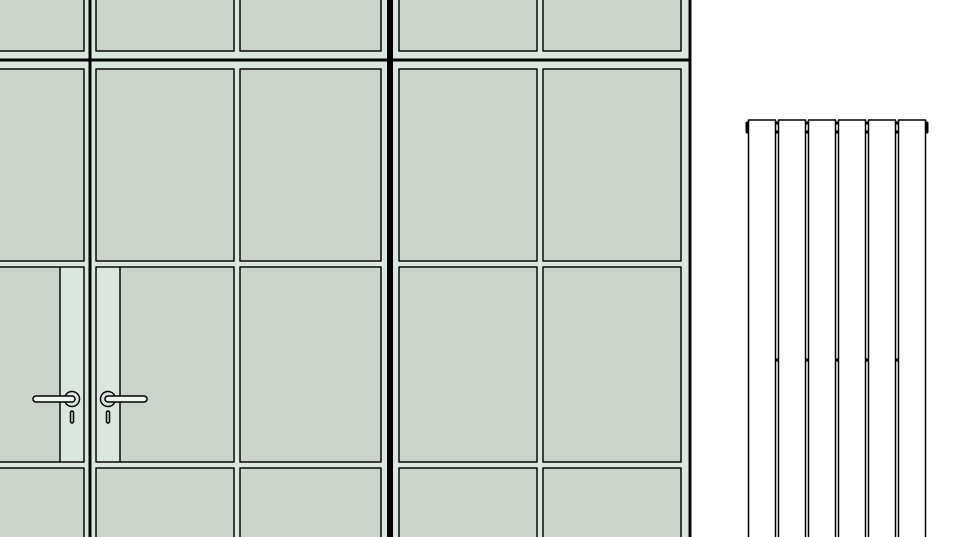
What now? Radiator placement is not just a plumbing detail. It affects your comfort, energy use and how your room can be arranged. Before copying the old layout, check whether the original reason for that position still applies and create a plan with intentional heating!
Frequently asked questions
Do radiators need to go under windows?
Radiators do not have to go under windows, but this is traditionally where they are placed. In older homes, cold air falls from glazing and the radiator warms it as it rises, helping circulate heat. In well insulated homes this effect is smaller, so placement can be more flexible.
How much clearance should you leave around a radiator?
Radiators need space for air to circulate properly. As a guide, leave around 100–200mm between the radiator and the floor, 100–150mm below a window sill, and about 300mm away from large furniture. Blocking the front of a radiator reduces efficiency and can create uneven heating.
How do you calculate the correct radiator size?
Radiator size is calculated using BTUs, which measure heat output. The required BTU depends on room size, ceiling height, insulation levels and window area. Online BTU calculators from suppliers provide a starting point, but a full heat loss assessment gives the most accurate result.
Do you need new radiators when installing a heat pump?
You do not usually need special types of radiators for a heat pump, but you may need larger ones. Heat pumps operate at lower water temperatures than gas boilers, so existing radiators can produce less heat. A room-by-room heat loss assessment determines whether replacements are required - in bigger spaces it often makes most sense to choose under floor heating.
Can a radiator be placed behind a sofa or bed?
A radiator can be placed behind furniture, but it is not ideal. Large items such as sofas or beds block heat from circulating properly, which can reduce efficiency and create cold spots. Leaving around 300mm of space in front of the radiator improves performance.
Renovating? Read more...
All rooms
Where do you put your thermostat?
The position of your thermostat will control how comfortable your home feels and how hard your heating system has to work, so it’s worth a minute to work out the right place to have it installed.
Bathroom
Should I consider underfloor heating for my bathroom?
Adding underfloor heating to your bathroom can transform it into a cosy, comfortable oasis, especially during chilly mornings.
All rooms
Where do you want the light switches?
Understanding the reasons behind where the light switch goes for bathrooms and ensuites in the UK.
Bedroom
Mastering bedroom lighting, what do I need to know?
One thing that everyone seems to agree on is to make sure you have different types of lighting in your bedroom, also known as layering.
Dining
How to effectively light your dining room
Lighting plays a crucial role in setting the right mood and functionality in your dining room.
Bathroom
Why is the bathroom light switch outside the bathroom?
Understanding the reasons behind where the light switch goes for bathrooms and ensuites in the UK.
Lounge
How many lamps in a living room?
Figuring out how many lamps you need in a living room isn't about strict formulas or calculators. You could go down the lumen calculator route…
All rooms
What needs to be decided before first fix?
Pipes and cables are installed inside walls and floors, so changes become expensive and disruptive.
Free tools to get started

Join our mailing list and get 10% off
Who are you? *
By signing up, you are agreeing to our Terms and Privacy Policy including receiving emails from us at Reno (you can unsubscribe at any time). Opted out but want back in? Re-subscribe to the mailing list .
Start your renovation with Reno