Help & advice
Where to put plug sockets in a living room
Last updated: June 05, 2026
You think you need a couple by the TV and one for a lamp, then suddenly there is a router, games console, soundbar, phone charger, laptop, floor lamp, Christmas tree and a sofa with nowhere sensible to plug anything in.
Start with how the room will actually be used
The best plans for your living room sockets start with your furniture layout.
- Where the sofa is going
- Where the TV is going
- Where you want to add lamps
- Where people charge phones
- Whether anyone works from the sofa
- Whether there is a reading chair
- Whether you have speakers, consoles or a router
- Whether furniture is against walls or floating in the room
The aim is not just more sockets. It is sockets in the right places so you are not relying on extension leads forever.
How many sockets do you need in a living room?
As a rough guide, most living rooms need at least 6 to 8 sockets. Larger rooms, open-plan spaces or rooms with multiple different seating areas may need more.
- Behind or near the TV
- Either side of the sofa
- Sockets for lamps
- Sockets near occasional furniture
- For a router or smart hub
- Somewhere for the Christmas lights to plug in
It is much easier to add them before the room is finished than to wish you had later.
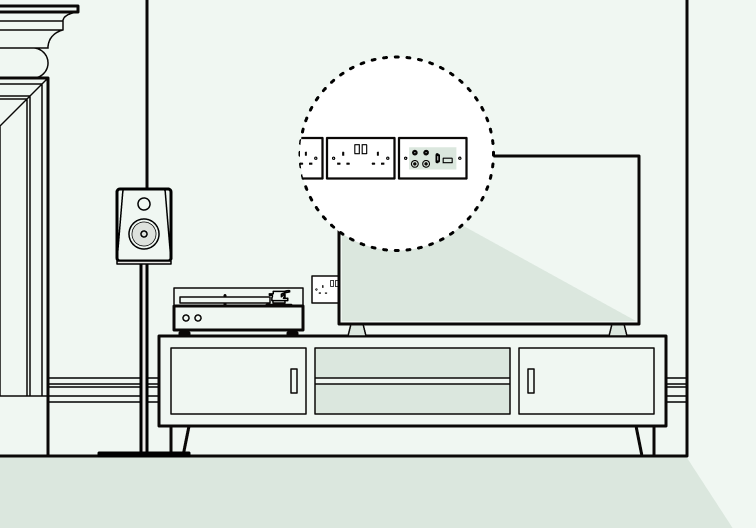
The TV area
If you know where the TV is going, this is usually the easiest place to start.
Think about everything that might need power near the TV.
- TV
- Soundbar
- Games console
- Streaming box
- Router
- WiFi mesh point
- Speakers
If the TV is going on a unit, low-level sockets behind the unit usually work.
If the TV is wall mounted, plan sockets and any data or aerial points behind the TV so you do not end up with visible cables trailing down the wall. It is worth deciding this before plastering, decorating or building storage around the TV wall.

Sockets by the sofa
If you sit there every evening, you will probably want to charge something there.
- Phone chargers
- Laptop chargers
- Table lamps
- Floor lamps
- Recliner chairs
As a rule of thumb, sockets on either side of the sofa are usually handy, especially if the sofa is against or near a wall. Sofas floating in the middle of a big room need a different answer, which may be a floor socket for a lamp and for charging laptops and phones.
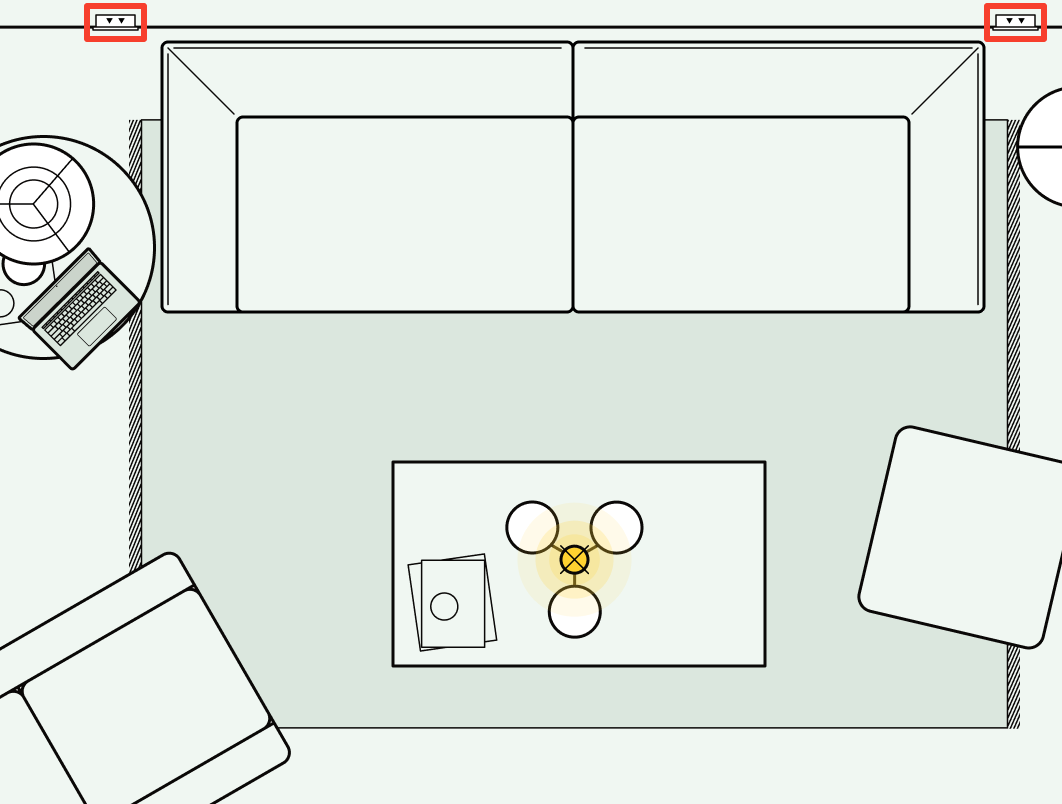
Lamp sockets
Think about the lamps. Do you want them plugged into normal sockets or controlled from a wall switch?
A switched lamp socket lets you turn lamps on from a light switch, rather than walking round the room turning them on one by one.
You will need to plan this with your electrician because it affects the lighting circuit, not just where a normal socket goes. Read Where do you want the light switches?.
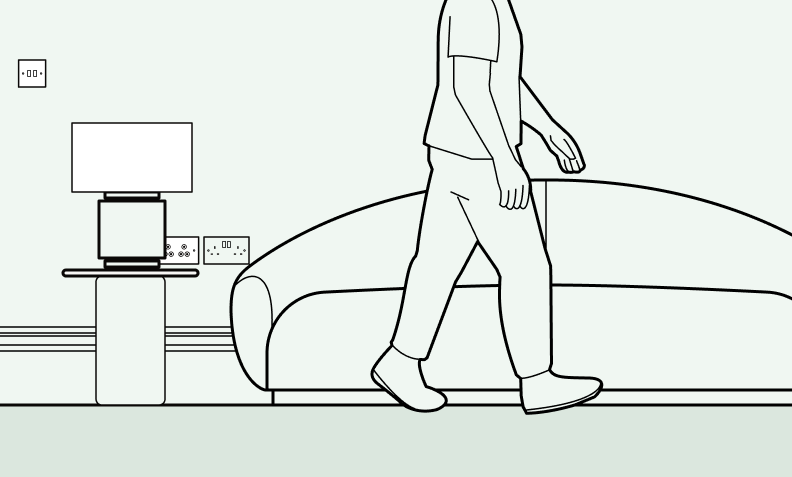
Floor sockets
Floor sockets can work well when furniture sits away from the walls.
- Sofas in the middle of a room
- Open-plan living spaces
- Reading chairs away from walls
- Side tables between seating areas
- Lamps where there is no nearby wall socket
They are not something to add casually though. You need to think about floor construction, final furniture position, rugs, cleaning, and whether the socket will still be useful if the layout changes.
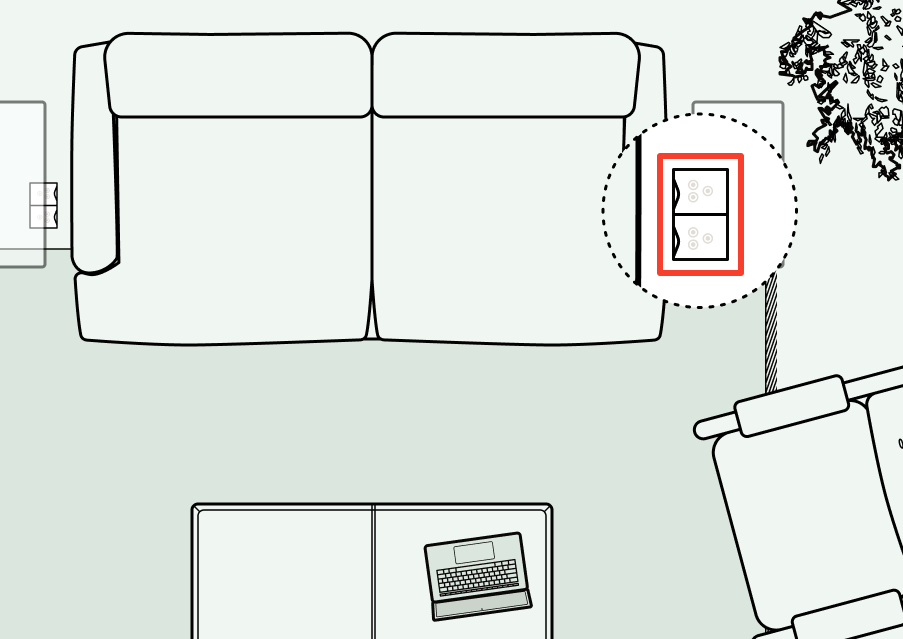
Socket height and visibility
In new homes, sockets are usually positioned at accessible heights rather than hidden just above the skirting.
In renovations, you may have more flexibility, but you still need to think carefully about how the finished room will look and work.
- Avoid placing sockets where they will be obvious in the middle of a feature wall
- Avoid hiding sockets where you can never reach them
- Think about furniture height before choosing socket positions
- Plan visible sockets to match switches and other metal finishes if they will be seen
Sometimes the neatest solution is not the lowest socket. It is the one that is hidden by furniture but still accessible.
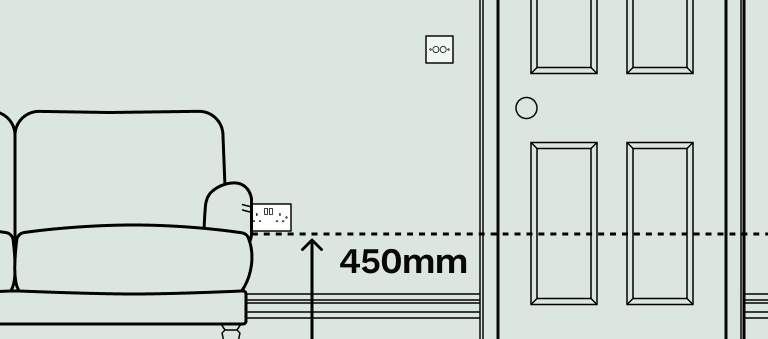
Corners are useful, but not always enough
Adding a socket in every room corner can be useful for lamps, speakers or occasional furniture. But if every socket is in a corner, you may still end up with extension leads across the room. A socket in the right place behind a side table is usually more useful than a socket technically nearby but hidden behind a sofa arm.
Things people do not think about
- A wall-mounted TV needs sockets higher up, not just near the floor
- Sofa charging points are used constantly
- Lamps can be put on switched lamp sockets
- Floor sockets need to be planned before flooring
- Extension leads are usually a sign the socket plan did not go far enough
- Sockets hidden behind furniture still need to be reachable
- Flush sockets may need different back box depths (so say so early)
- Seasonal items like Christmas trees need power too
A simple way to plan it
Put your furniture on the plan first:
- TV and media equipment
- Sofa and chairs
- Lamps
- Side tables
- Router or smart home equipment
- Charging spots
- Any floor sockets
Once you know what needs power and where it will actually be used, the socket plan becomes much easier.
Frequently asked questions
How many plug sockets do you need in a living room?
Most living rooms need at least 6 to 8 socket outlets, but it depends on the size of the room and how you use it. TV setups, lamps, phone charging, routers and multiple seating areas can all mean you need more.
Where should plug sockets go in a living room?
Living room sockets should be planned around the furniture layout. Start with the TV position, sofa, lamps, side tables and any charging spots, then place sockets where things will actually be used.
Where should sockets go for a wall-mounted TV?
For a wall-mounted TV, sockets should usually sit behind the TV so cables do not trail down the wall. You may also need nearby aerial, data or media points for consoles, streaming boxes, soundbars or speakers.
Should you put plug sockets near the sofa?
Yes, sockets near the sofa are usually worth planning. They are useful for phone chargers, laptops, table lamps, floor lamps, recliner chairs and anything else used while sitting down.
What are lamp sockets?
Lamp sockets are sockets connected to a wall switch, so lamps can be switched on and off from the same place as the main lights. They can work well in living rooms where lamps provide most of the softer evening lighting.
Are floor sockets a good idea in a living room?
Floor sockets can be useful if the sofa, side table or reading chair sits away from the walls. They need to be planned early, before flooring goes down, and work best when the furniture layout is unlikely to change.
Where should sockets go in an open plan living room?
In open plan living rooms, sockets should be planned around seating areas, lamps, media equipment and charging spots rather than just the nearest wall. Floor sockets or sockets built into furniture can be useful where furniture floats in the room.
How do you avoid extension leads in a living room?
Plan sockets around the items you actually use. Mark the TV, sofa, lamps, router, side tables and charging points on your floor plan before deciding where sockets go.
Renovating? Read more...
Lounge
Planning the best layout for your lounge / living room
Begin your lounge layout by identifying the room's focal point.
All rooms
Where do you want the light switches?
Understanding the reasons behind where the light switch goes for bathrooms and ensuites in the UK.
Lounge
Where should the TV go?
TV placement affects the whole layout of the room, so it's worth deciding it early and planning everything around it.
Lounge
How many lamps in a living room?
Figuring out how many lamps you need in a living room isn't about strict formulas or calculators. You could go down the lumen calculator route…
Bedroom
Where to put plug sockets in a bedroom
At some point you'll be asked where you want your sockets in your bedroom, and it pays to have a plan rather than live without being able to charge your phone on one side of the bed or plug in a lamp in that dark corner!
Kitchen
Where to put plug sockets in a kitchen
Planning your kitchen sockets might not be the most exciting part of a renovation, but getting it right makes a huge difference to how easy your kitchen is to use.
Free tools to get started


Join our mailing list and get 10% off
Who are you? *
By signing up, you are agreeing to our Terms and Privacy Policy including receiving emails from us at Reno (you can unsubscribe at any time). Opted out but want back in? Re-subscribe to the mailing list .
Start your renovation with Reno