Help & advice
What all the things mean when you're choosing a shower
Last updated: March 27, 2026
Choosing a shower feels simple… until you actually start looking or getting quotes and the decisions start mounting up.
Thermostatic valves, pressure, flow rates, concealed vs exposed, twin outlets, rainfall heads… and it's not obvious what any of it really means or what matters.
Most of these decisions affect installation and the quotes you'll get as well as obviously how the shower feels to use day to day, so it's worth understanding the basics before making your decisions.
Mixer (standard) shower
A mixer shower combines hot and cold water from your home's central heating system.
What to know:
- Works with your existing boiler or hot water system
- The temperature is controlled by mixing hot and cold water
- You're relying on your existing water pressure here, so a mixer showers work best when pressure is already good
Electric shower
An electric shower heats water as it flows through the unit.
What to know:
- Does not rely on your boiler
- Heats water on demand
- Lower flow rate (speed of the water coming through)
Power shower
A power shower is a mixer shower with a built-in pump to boost water pressure.
What to know:
- Boosts water pressure
- Useful in low-pressure homes
- Uses more water than most other options
- Requires both hot and cold feeds
Do any showers use more or less water?
💦💦💦 Power showers and waterfall-style shower heads tend to use the most water
💦💦 Standard mixer showers (depending on pressure), can be relatively high in homes with good pressure
💦 Electric showers - usually lower flow, so less water
💧 Aerated shower heads - designed to reduce water use while maintaining pressure
Swap your shower head for a water efficient one to save on your bills, water and energy usage. Power showers, shower towers and waterfall style showers waste the most water. Instead, look for low flow, aerated shower heads or better still, recycling showers if available.
What's a concealed thermostatic shower valve and do I want one?
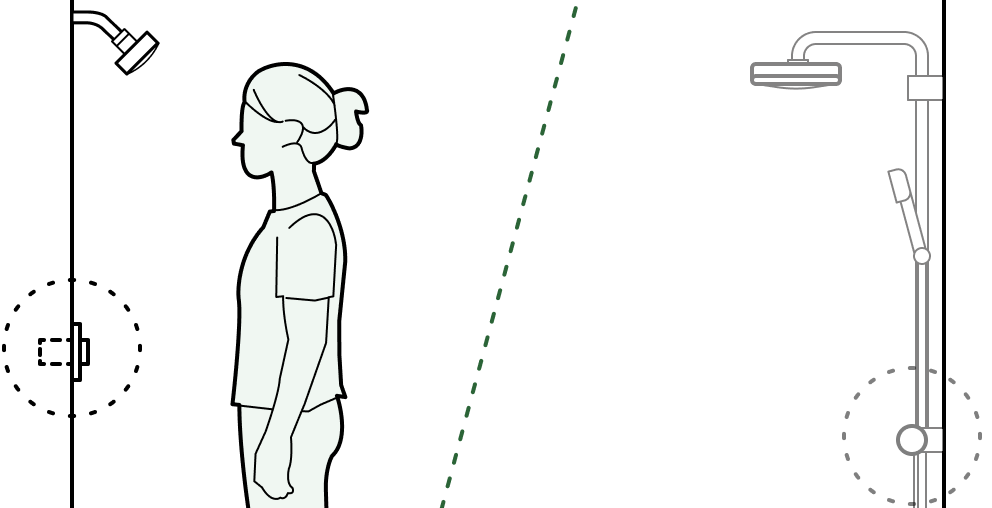
Concealed thermostatic valve - where the pipework and valve (chunky bit) sits inside the wall, and you only see the control for the shower (lever, handles) on the wall.
What to know:
- Requires space inside the wall (could mean building out a stud wall if your shower wall is solid)
- With an exposed thermostatic valve everything sits on the surface of the wall, so you'll just have the pipes behind the wall covering, and chunkier unit on top
What does “thermostatic” mean?
When something is described as thermostatic it means it regulates temperature. A thermostatic shower valve keeps water at a consistent temperature, even if someone turns a tap on elsewhere in the house.
Concealed = space needed
If you choose concealed valves or wall-mounted fittings, you will likely need to build out walls to hide pipework unless you're against an existing stud wall that is deep enough.
Single, twin and triple shower valves
This is just about how many shower / water outlets you have to control i.e.
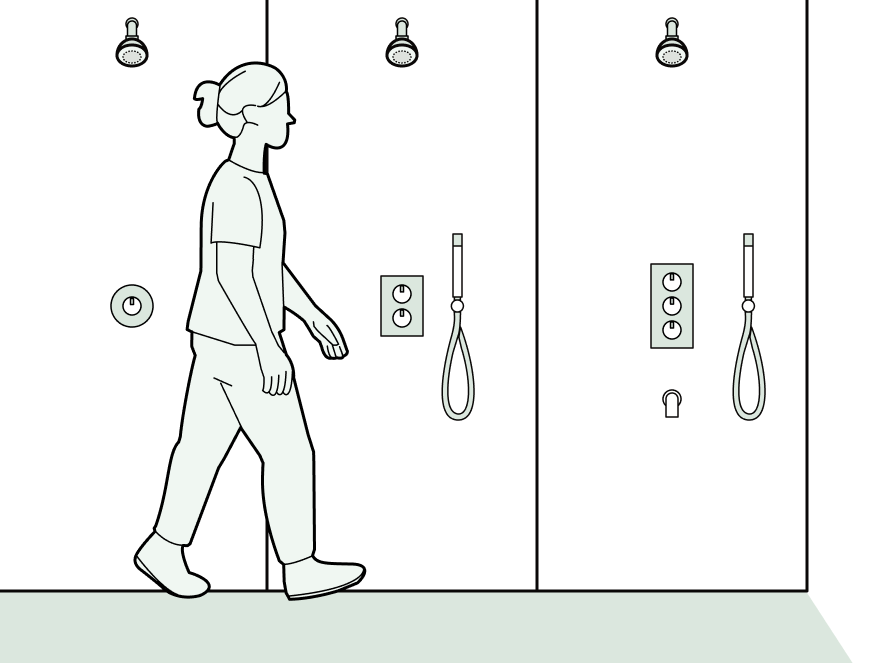
- Single outlet - one shower head
- Twin outlet - usually a fixed head + handheld shower hose
- Triple outlet - multiple heads
More outlets = more complexity
Twin and triple outlet systems need more pipework and planning.
What's a 'dual shower'?
Two separate shower heads normally an overhead shower and a handheld hose.

Wet room or separate shower, is one just wetter?
Wet room
A wet room is fully waterproofed, with no traditional shower tray.
- The floor is sloped towards a drain
- Water drains directly into the floor
- No enclosure (or minimal glass screen)
What to know:
- Requires careful construction and waterproofing
- Often more complex and expensive to install
- Works best where the way your floor is built up allows enough of a slope for waste water to drain away quickly
A separate shower
- More straightforward to install
- More forgiving in standard (old!) UK homes
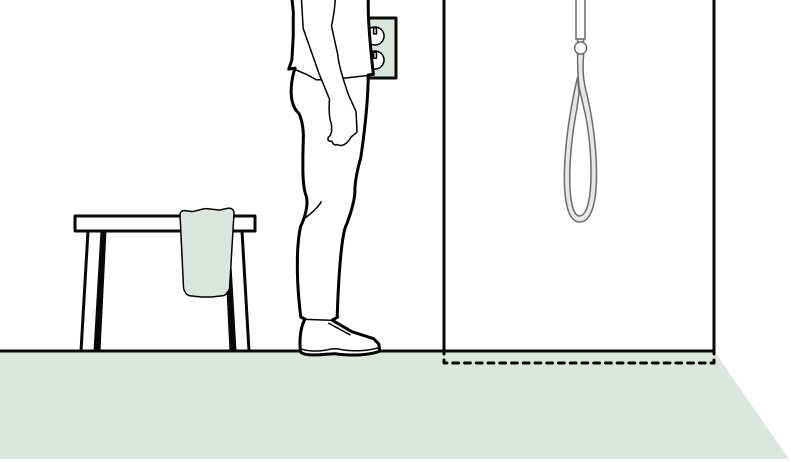
Showers drain using gravity.
You'll need to check under your flooring to work out the waste water run. Timber joists under the original floor may not leave enough depth to create a decent fall for your water waste without major work, and this is really important for a wet room if you want to avoid too much of a step up into the room.
Building regs in the UK state a minimum of 18mm per metre fall to ensure water drains away efficiently.
The takeaway
Most shower choices come down to three things: how it looks, how it feels to use and how complex it is to install.
Understanding what the terminology actually means makes it much easier to choose something that works for your space, not just something that looks good online!
Frequently asked questions
What is the difference between a mixer, electric and power shower?
A mixer shower uses hot and cold water from your boiler, an electric shower heats water on demand, and a power shower is a mixer shower with a built-in pump to boost pressure. The right choice depends on your water pressure and hot water system.
What does a thermostatic shower valve mean?
A thermostatic shower valve keeps the water at a constant temperature, even if water is used elsewhere in the house. This helps prevent sudden temperature changes and improves both comfort and safety during use.
What is the difference between a concealed and exposed shower valve?
A concealed shower valve is hidden inside the wall with only the controls visible, while an exposed valve sits on the surface of the wall. Concealed valves look neater but require more installation work and wall space.
What is a dual shower or twin outlet shower?
A dual shower (or twin outlet shower) has two water outlets, usually a fixed overhead shower and a handheld shower hose. This setup gives more flexibility for everyday use, cleaning and washing hair.
What is the difference between single, twin and triple outlet showers?
Single outlet showers have one shower head, twin outlet showers have two (typically overhead and handheld), and triple outlet systems control three water outlets. More outlets mean more pipework, more controls and a more complex installation.
Which type of shower uses the most water?
Power showers, waterfall shower heads and shower towers typically use the most water because they deliver higher flow rates. Electric showers and aerated shower heads generally use less water and can be more efficient.
How can you reduce water usage in a shower?
You can reduce water usage by fitting an aerated or low-flow shower head, which mixes air with water to maintain pressure. Electric showers also tend to use less water due to lower flow rates.
What is a wet room and how is it different from a normal shower?
A wet room is a fully waterproofed bathroom where the floor is sloped to a drain and there is no traditional shower tray. A standard shower uses a tray or enclosure, making it easier to install in most UK homes.
Why do wet rooms sometimes drain poorly?
Wet rooms rely on a properly sloped floor to drain water. In older UK homes, floor structures such as timber joists may not allow enough depth to create the required fall (typically around 18mm per metre), which can lead to slow drainage and water pooling.
Do you need to build out the wall for a concealed shower?
Yes, concealed shower valves often require space inside the wall for pipework and controls. If the wall is solid, this may mean building out a stud wall, which can reduce room size slightly.
Renovating? Read more...
Bathroom
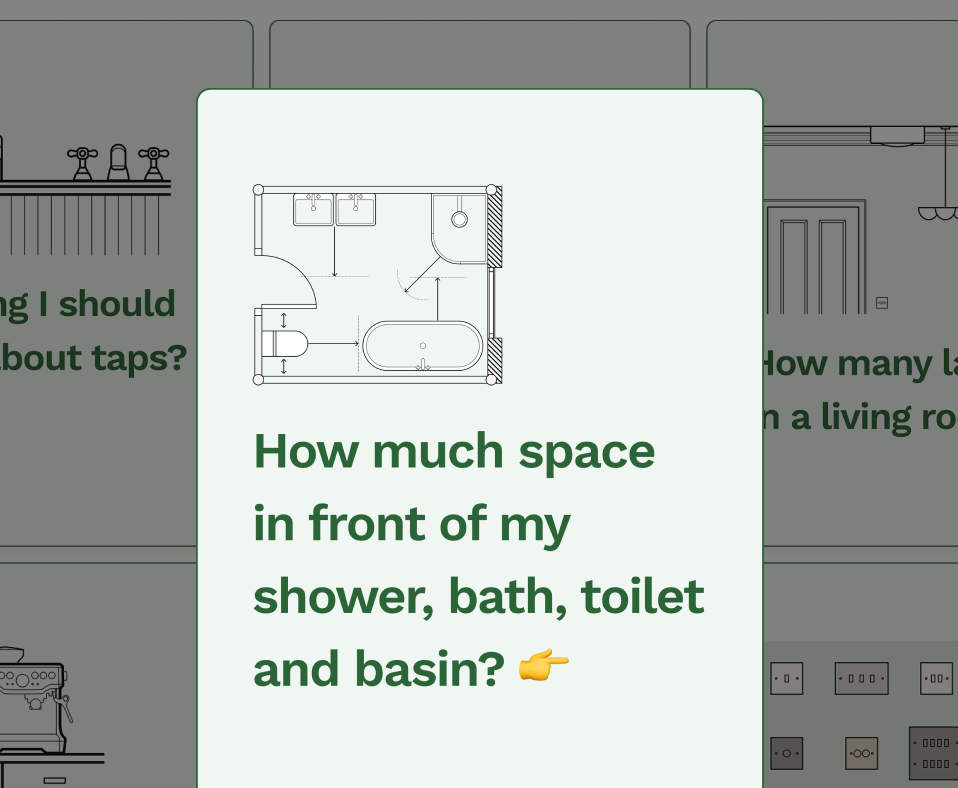
Dimensions and understanding the space needed around your bathroom items
You'll want at least 700mm of clear floor space in front of your basin, toilet, shower, or bath - basically enough room to use them comfortably.
Bathroom
Answering 'how high do you want the...' for bathroom renovations
At some point during your bathroom renovation (the earlier the better) you'll find yourself holding a shower head, standing in your socks in a dusty / partially unwrapped bath, wondering: Wait... how high should this go?
Bathroom
Why moving a toilet is a big decision
It will add to the overall time required to complete the project, which, in turn, increases the cost.
Bathroom
Choosing bathroom tiles? All the things to think about
Planning to do up your bathroom and finger hovering over the order button after spending nights on Pinterest?
Bathroom
Which bathroom taps to choose?
This is one of those decisions most people make based on what looks good on Pinterest, without really thinking beyond that. Taps are one of the most used items in a bathroom, so they are exactly the sort of thing you can end up regretting later if you get it wrong.
Bathroom
Creating a half wall to hide your cistern and soil pipe?
The space needed to create a half wall or built out section to hide a concealed cistern and soil pipe. This usually comes up when choosing a back to wall or wall hung toilet.
Bathroom
Bathroom layout rules you didn't know you were breaking
Most bathroom layout problems are not about taste. They come from not knowing about (or ignoring!) a handful of rules around space planning, plumbing, electrics and day to day use.
Bathroom
Things you'll wish you knew earlier if you are supplying the sanitaryware
Carefully measure what you need and look for buy back / longer period returns just in case.
Free tools to get started


Join our mailing list and get 10% off
Who are you? *
By signing up, you are agreeing to our Terms and Privacy Policy including receiving emails from us at Reno (you can unsubscribe at any time). Opted out but want back in? Re-subscribe to the mailing list .
Start your renovation with Reno