Help & advice
What needs to be waterproofed in a bathroom?
Last updated: May 5, 2026
With any luck your build team will know what's needed here, but it's helpful to know what to expect in advance - especially if you need to check it's included in your quote!
Tiles, grout or wall panels are the visible finish in a bathroom. Waterproofing sits behind them, and that is what protects the structure of your home should the tile / grouting fail.
It's pretty common in older properties to find there wasn't any waterproofing behind the tiles, and not to have had a problem, however it is best practice and building regulations in the UK do recommend waterproofing / tanking to avoid any problems should tiling, grouts or joins fail over time. Side note - Australian regulations mandate waterproofing.
If grout, tiles or joins fail over time, without a waterproofing layer behind them, water will eventually damage walls, floors and ceilings - expensive things to fix.
What waterproofing actually is
Waterproofing, often called tanking, is the layer that stops water getting into the structure of the building.
It usually involves:
- A waterproof membrane or coating applied to walls and floors
- Sealing joints, corners and where pipework passes through the wall
- Preparing surfaces before tiles go on
Your tiling sits on top of the waterproofing layer. Without it, water can pass through grout lines and small gaps over time.
This is also one of those things that varies depending on where you are in the world.
- In the UK, bathrooms are often waterproofed just around the main wet areas
- Meanwhile in Australia, full bathroom floor waterproofing is much more common and in many situations mandatory - on upper floors and timber floor constructions

The recommended areas to waterproof
You don't have to waterproof every surface in a bathroom, but you do in certain areas:
Showers with trays
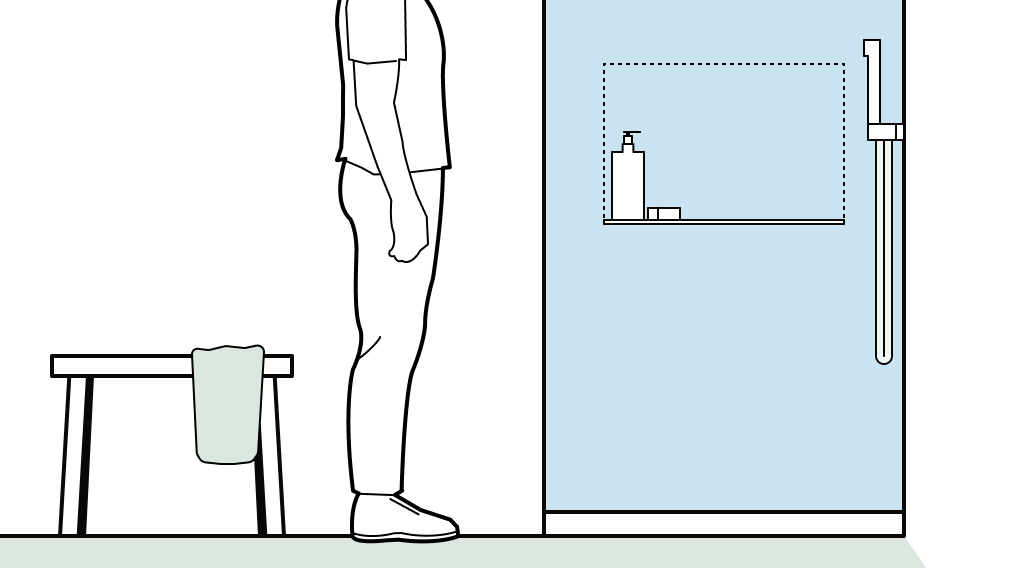
In wet areas like the shower, you want to waterproof:
- All walls within the shower up to shower head height
- Around valves, pipe outlets and fittings where pipework passes through the wall
- The joint between shower tray and wall needs to be sealed properly, however the shower tray itself is a waterproof layer already
- Shower niche? You want to make sure that's well sealed too
Wet rooms
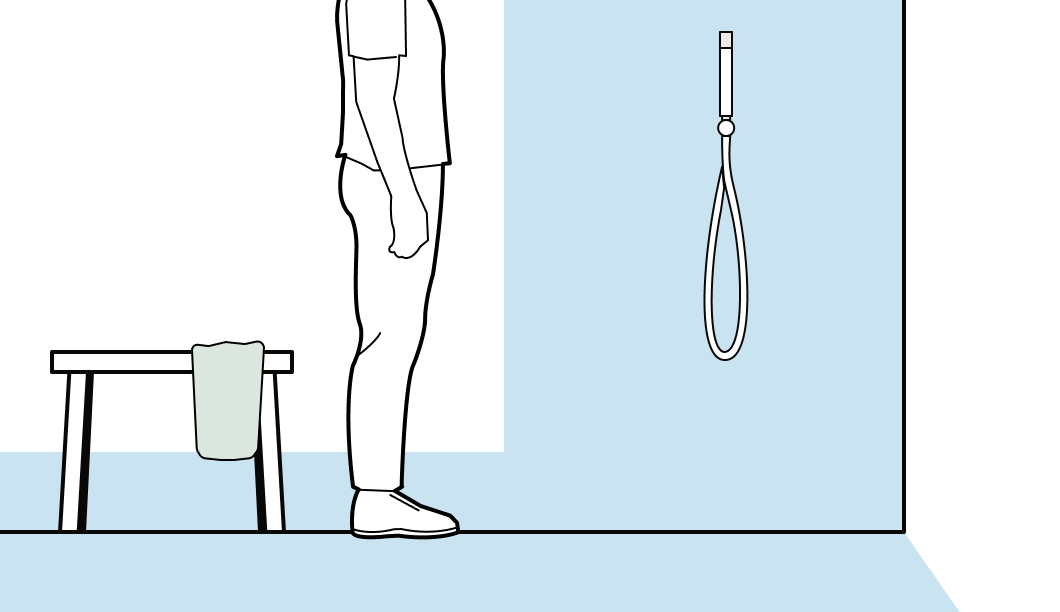
A wet room changes the approach completely. Instead of just protecting specific areas, the whole floor becomes part of the shower.
- The floor should be fully waterproofed before tiling, (and also slope towards a drain)
- Walls within the main wet area protected up to head height
- Lower wall areas should also be protected
This requires more planning and a different floor build-up.
Around baths
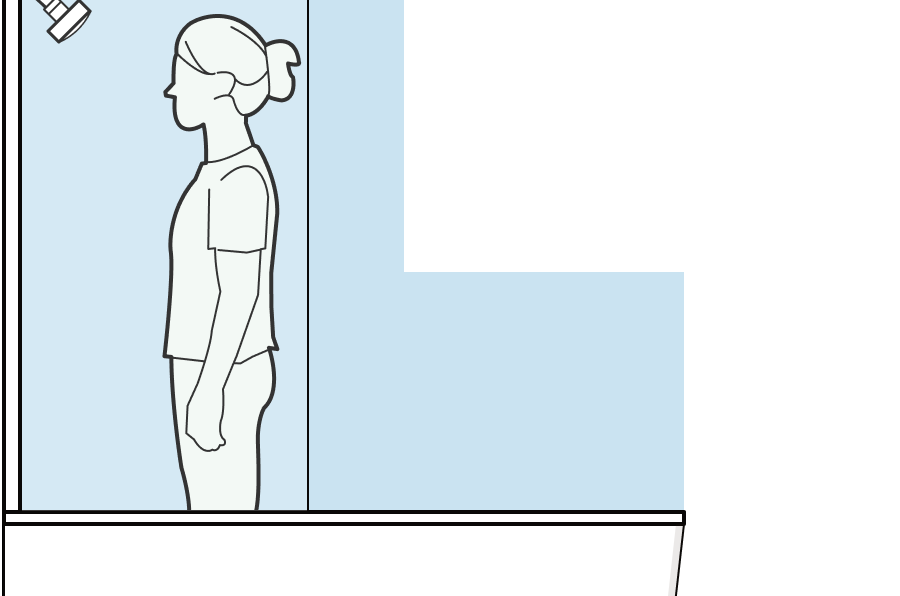
If you have a shower over the bath, or the bath sits against a wall:
- The surfaces around the bath need waterproofing
- The joint between bath and wall needs to be sealed properly
Behind basins
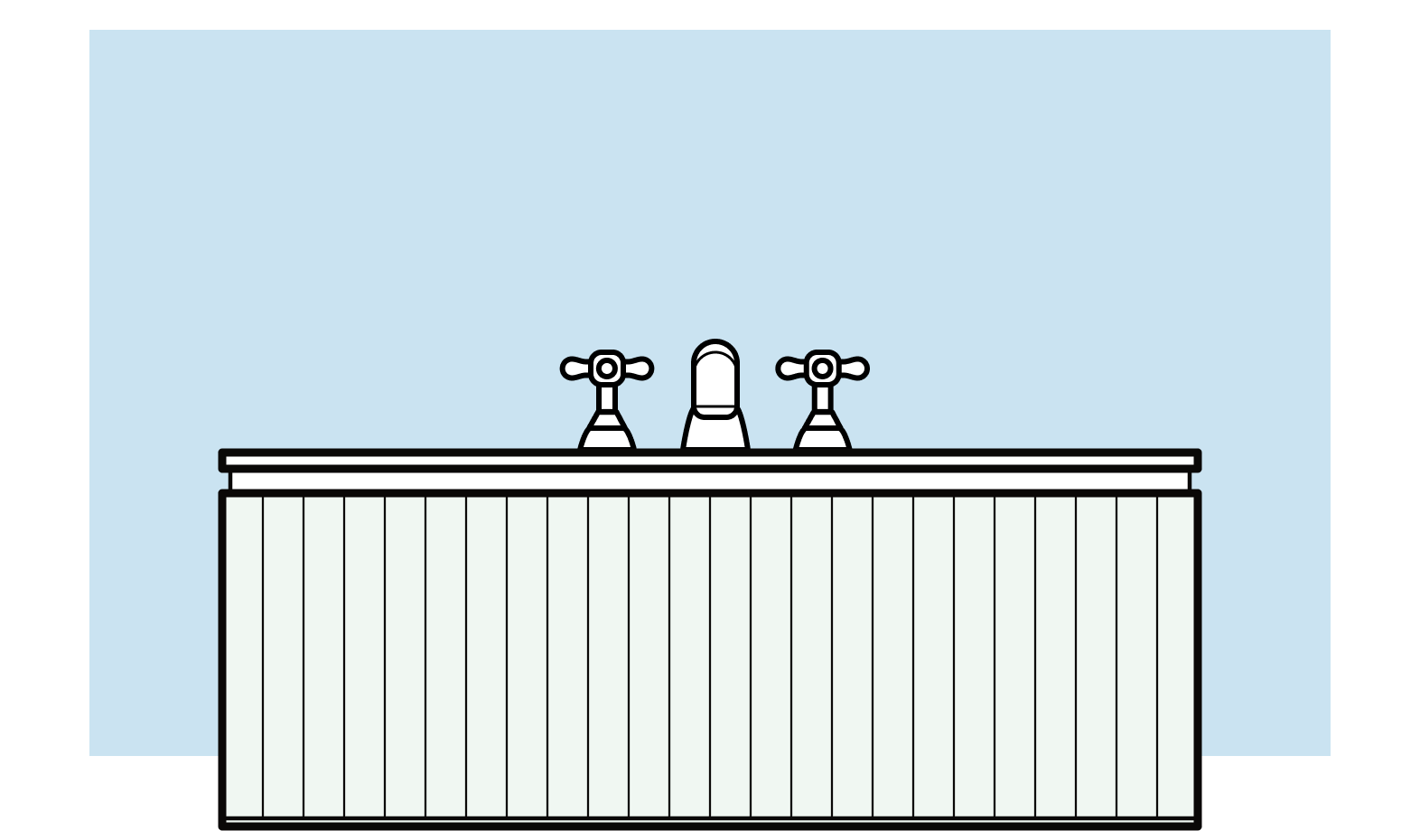
The surfaces behind the basin need waterproofing - it can get pretty wet there too.
Floors
Not every bathroom floor is fully tanked, but it depends on the setup.
- Wet rooms always require full floor waterproofing
- Timber floors often benefit from additional protection
- Concrete floors are porous so will still need protection
How this affects planning
Waterproofing is not something that gets decided at the end.
If you are changing the room layout or still to decide on a wet room vs. enclosed shower tray, these decisions need to be made early, at least in time for your first fix so that the right approach to waterproofing is applied.
Arguably you really want to have your layout locked down as much as possible before quoting anyway, so that the quotes are as accurate as they can be!
It affects:
- Floor levels and build-up
- Drain positioning
- Wall construction
- The order of work on site
A common mistake would be assuming your tiles are themselves waterproof. In reality, grout lines and joins allow moisture through over time, which is why the waterproofing behind matters.
Frequently asked questions
Do bathroom walls need to be waterproofed?
Bathroom walls only need to be waterproofed in areas exposed to regular water, such as inside showers and around baths. Dry areas of the bathroom usually do not require full waterproofing.
Are tiles waterproof in a bathroom?
Tiles are not waterproof on their own. Water can pass through grout lines and small gaps over time. A waterproof membrane behind the tiles is what prevents water damage.
Do you need to waterproof a bathroom floor?
Bathroom floors are not always fully waterproofed, but wet rooms always require it. In standard bathrooms, waterproofing is usually focused on shower areas and high-risk zones.
What is tanking in a bathroom?
Tanking is the process of applying a waterproof layer to walls and floors to stop water from penetrating the structure. It is installed before tiles or finishes.
Do you need to waterproof around a bath?
Yes, especially if there is a shower over the bath or the bath is against a wall. The surrounding walls and joints should be properly sealed to prevent leaks.
What happens if a bathroom is not waterproofed properly?
Poor waterproofing can lead to water damage inside walls and floors, which can cause mould, structural issues and expensive repairs.
Is waterproofing required for a wet room?
Yes. In a wet room, the entire floor and often lower wall areas must be fully waterproofed to prevent water from spreading into the structure.
When is waterproofing done in a bathroom renovation?
Waterproofing is completed before tiling, after first fix plumbing and preparation of surfaces. It is part of the early stages of installation.
Can waterproofing be added after tiling?
In most cases, no. Waterproofing needs to be installed before tiles are fitted. Adding it later usually requires removing finishes.
Do you need a professional to waterproof a bathroom?
Waterproofing should be done by someone experienced, as mistakes are not visible until damage occurs. It is a critical part of the build, not just a finishing detail.
Renovating? Read more...
All rooms
What needs to be decided before first fix?
Pipes and cables are installed inside walls and floors, so changes become expensive and disruptive.
Bathroom
Dimensions and understanding the space needed around your bathroom items
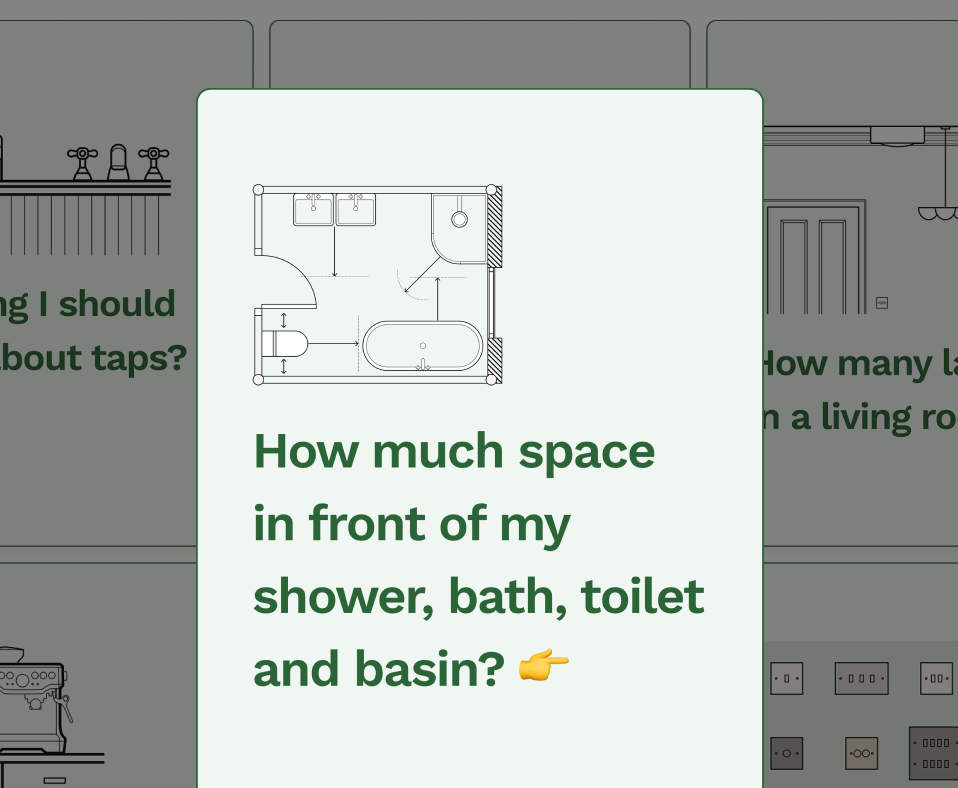
You'll want at least 700mm of clear floor space in front of your basin, toilet, shower, or bath-basically enough room to use them comfortably.
Bathroom
Bathroom layout rules you didn't know you were breaking
Most bathroom layout problems are not about taste. They come from not knowing about (or ignoring!) a handful of rules around space planning, plumbing, electrics and day to day use.
Bathroom
How do I find the best bathroom layout for my space?
Here's a pro tip: start with the toilet. Why? Because it's the one fixture that's hardest to move.
Bathroom
Bathroom layout rules you didn't know you were breaking
Most bathroom layout problems are not about taste. They come from not knowing about or ignoring a handful of rules around space planning, plumbing, electrics and day to day use.
Bathroom
Where to start planning a new bathroom
What is the to do list? What should I work out first, what comes later?
Bathroom
Choosing bathroom tiles? All the things to think about
Planning to do up your bathroom and finger hovering over the order button after spending nights on Pinterest?
Free tools to get started


Join our mailing list and get 10% off
Who are you? *
By signing up, you are agreeing to our Terms and Privacy Policy including receiving emails from us at Reno (you can unsubscribe at any time). Opted out but want back in? Re-subscribe to the mailing list .
Start your renovation with Reno