Help & advice
What needs to be decided before first fix?
Last updated: June 25, 2026
This is the point where it really matters that you've gone over everything and planned thoroughly.
A lot of the problems people run into during the renovation itself come from not knowing what to have planned up front before 'the work' happens. So on top of issues that you couldn't have predicted (hello, rotten joists), you're also playing defence on a bunch of decisions you should have made earlier.
What is first fix?
First fix is when everything that will be hidden is installed:
- Plumbing and heating pipework
- Electrical cables and back boxes
- Any ventilation ducting
After this, walls and floors are closed up.
Where to start?
Start by prioritising amongst the lists of ideas you have for the space. Before getting into specifics, you need a clear idea of what the space actually needs to do.
Ask yourself:
- Who is using the space?
- How does it need to function day to day?
- What are the priorities?
A simple way to approach this is to split your thinking into:
- Wants (nice to have)
- Needs (must have)
Once you prioritise these lists, it becomes much easier to make the decisions that follow.
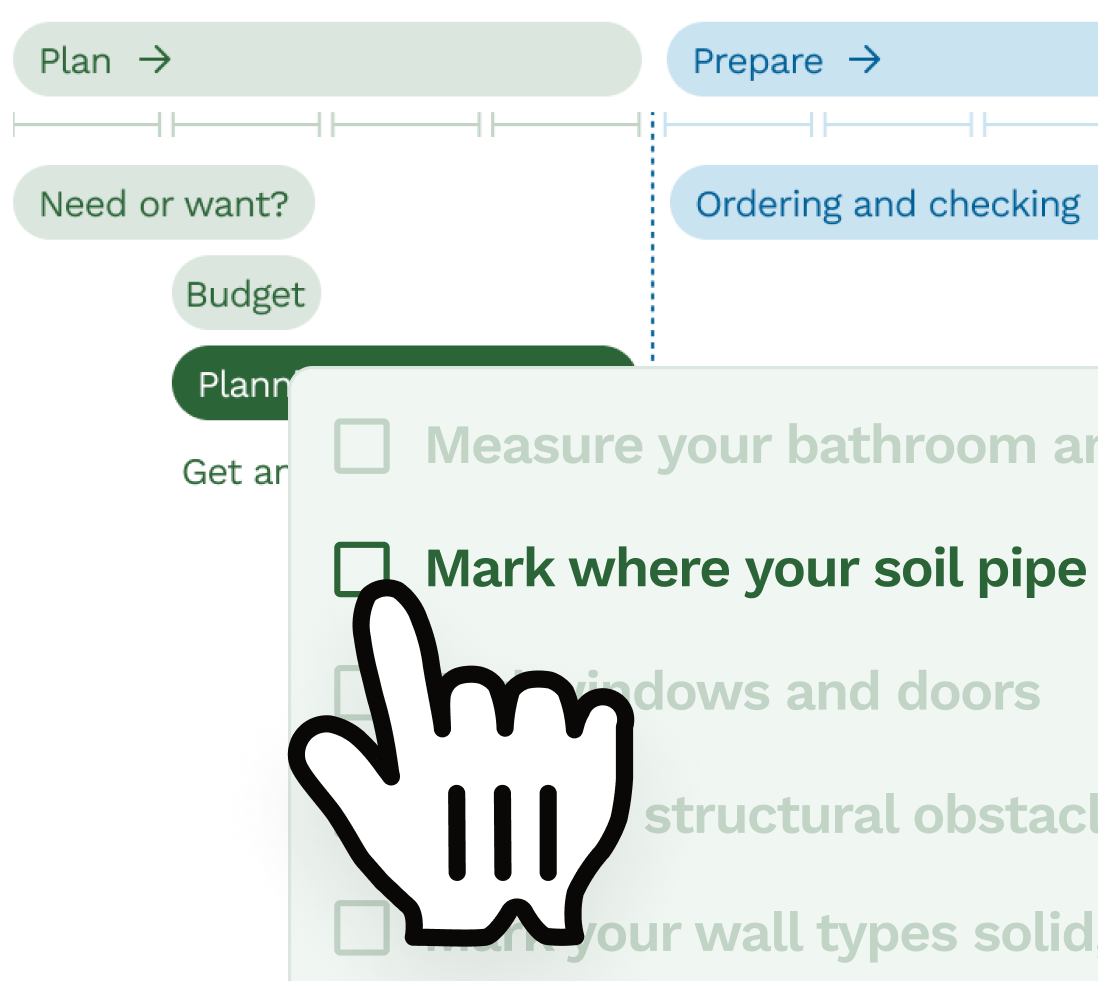
The decisions you must make before first fix
Layout
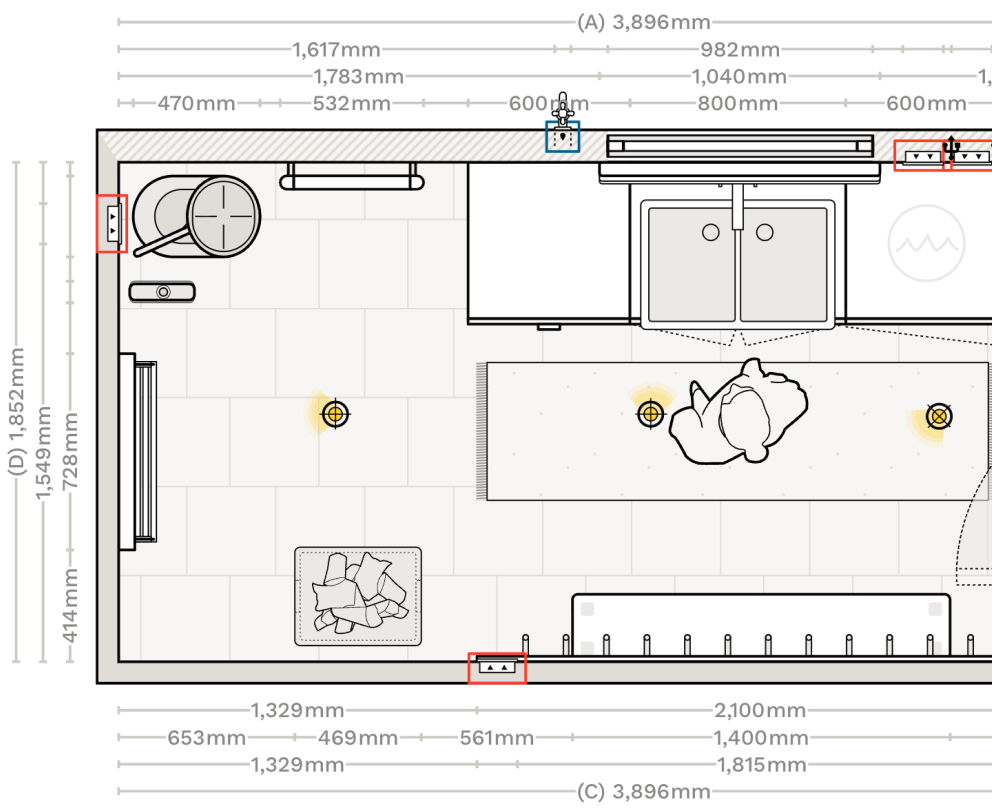
You need to know exactly where everything is going:
- Bathroom fixtures (toilet, basin, shower, bath)
- Kitchen units / built-in furniture
- Appliances
- Lighting
- Sockets and switches
- Anything else wall mounted or recessed...!
This is why creating a to-scale plan is so useful early on.
Start by marking:
- The soil pipe location (where it exits the room)
- Windows and doors
- Structural elements like pipe columns or attic hatches
- Wall types (solid or stud)
- Floor construction (concrete or suspended timber)
These determine what can realistically move and what is best left where it is.
Plumbing
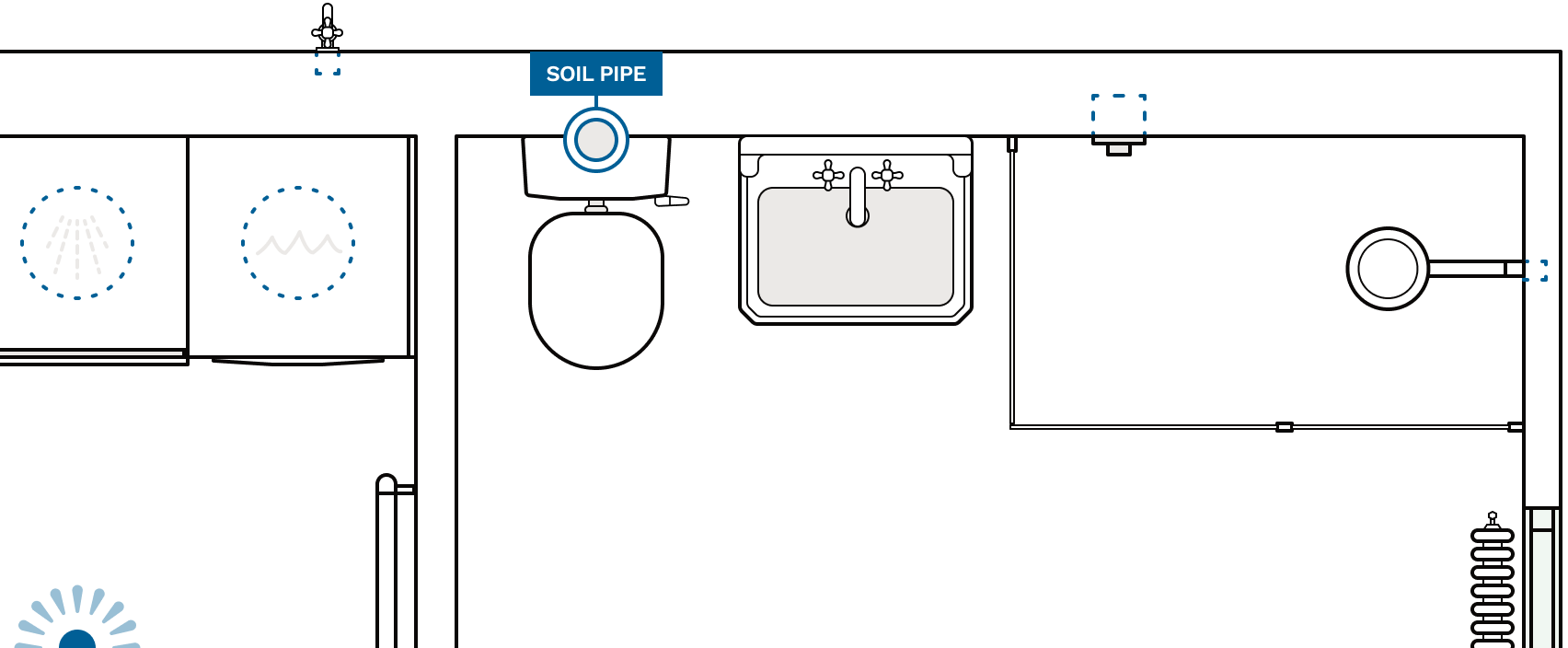
Anything involving water needs to be fixed now:
- Toilets, basins, showers and baths
- Radiators and towel rails
- Appliance connections
Moving plumbing is one of the biggest cost drivers in a renovation, especially toilets! Read more on why moving the toilet is a big decision.
The type of sanitaryware you choose can also affect pipe positions and connections, so it's important to check compatibility before ordering. Read more on the things you'll wish you knew earlier if you are supplying the sanitaryware.
Electrics
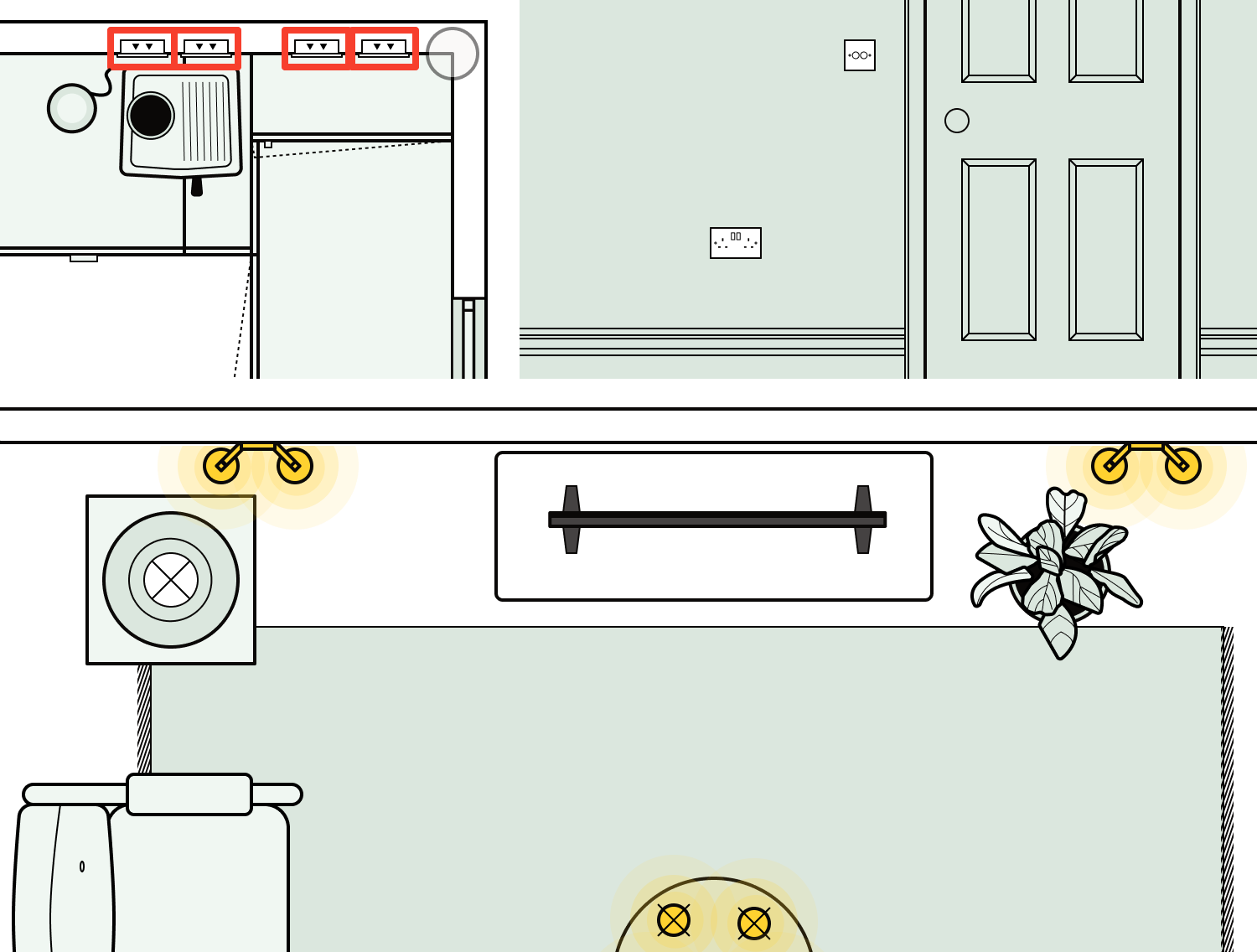
You need to finalise:
- Socket positions
- Light switch locations
- Lighting layout
- Any other fixed electrics e.g. extractor fans, wired sensors and alarms
Need help? Start with where you want the light switches, where to put plug sockets in a bedroom, how many lamps in a living room and where to put plug sockets in a kitchen.
Fixtures and fittings
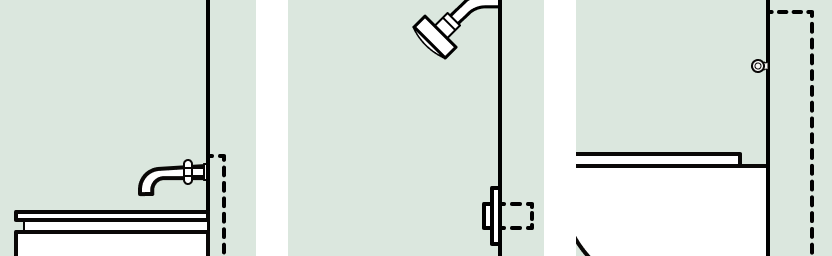
It's tempting to choose these later, but many of them affect what needs to go inside the walls.
For example:
- Wall mounted taps need pipework inside the wall
- Concealed showers need space for valves
- Wall hung toilets need frames and cistern space
These choices often require building out walls or allowing extra space.
If you're planning to supply your own sanitaryware, it's worth understanding what's actually included, what needs to be ordered early and how it affects installation. Read more on the things you'll wish you knew earlier if you are supplying the sanitaryware.
Need help? Start with what all the things mean when you're choosing a shower, which bathroom taps should I choose. and the differences between the different types of toilets.

The 'smaller' decisions people miss
These are the ones that tend to get forgotten until the builders are on site:
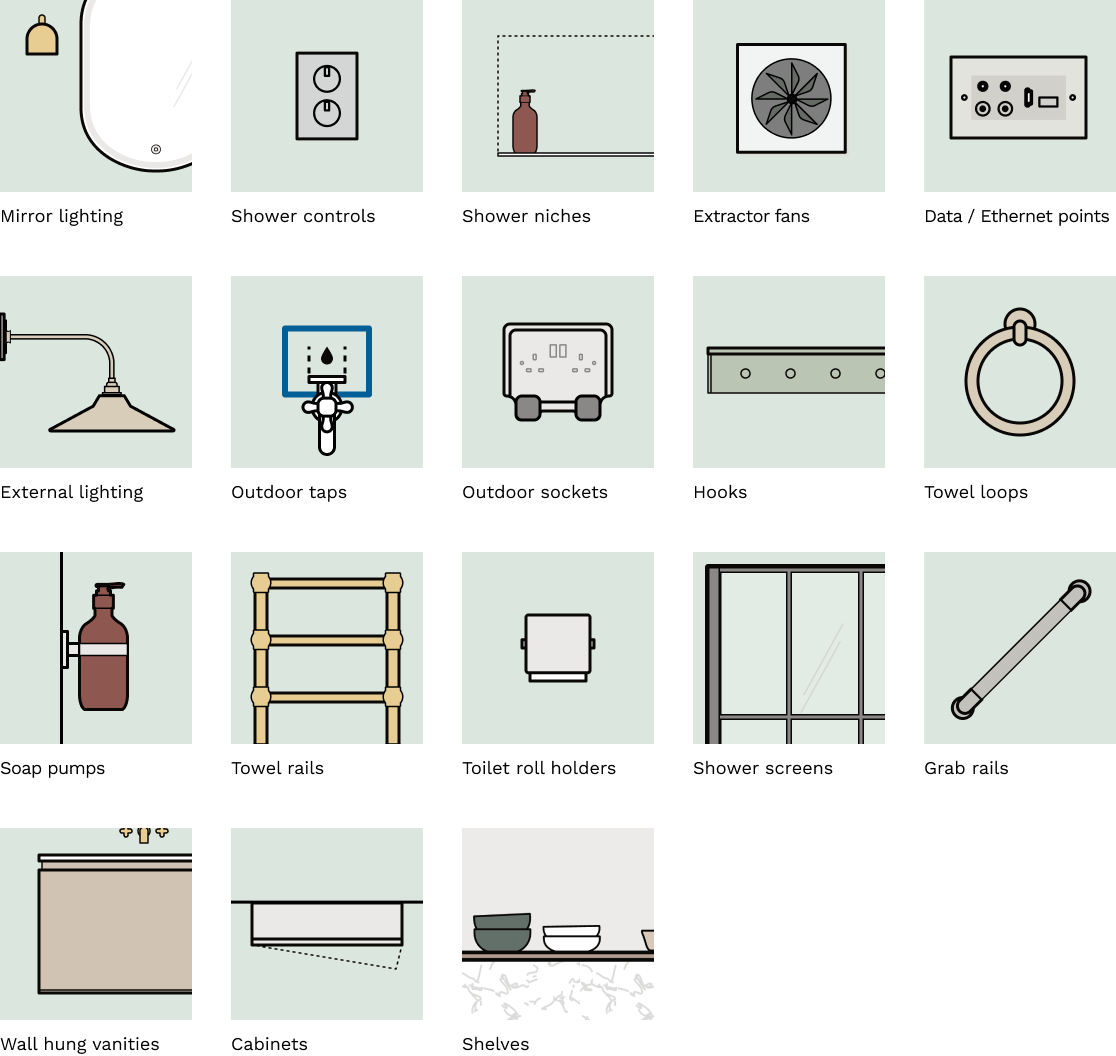
Commonly missed items
- Mirror lighting positions
- Shower controls and niches
- Extractor fan placement
- Data / ethernet points
- External lighting
- Towel rails and hooks
- Toilet roll holders
- Shower screens
- Wall hung vanities
- Shelves and cabinets
Depending on what you have planned, these usually mean adding timber supports (often called noggins) between studs during first fix.
Not everything has to have timber behind it but for anything heavy, used frequently or safety-critical (let's avoid a mirrored cabinet falling off a wall) you want these things in your plan to ensure everything has proper support!
If you don't plan this all in early, you can end up limited on where things can go later, or relying on weaker fixings. This is especially relevant with stud walls, where there could be nothing solid behind the plasterboard where you need it.
This also applies to the components surrounding the items you are supplying yourself. Missing small components like waste traps or ordering too late is one of the most common causes of delays. Check out the things you'll wish you knew earlier if you are supplying the sanitaryware.
A simple rule
If it has a component that goes inside a wall, floor or ceiling, it needs to be decided before first fix.
One thing people don't realise
Even if you are keeping things "in the same place", changes in what you choose can still affect first fix.
For example:
- Swapping a pedestal basin for a wall hung basin
- Changing to wall mounted taps
- Choosing a different type of shower valve
- Choosing a different style of toilet
All of these can mean moving pipework or changing wall construction.
The takeaway
First fix is not the time to be deciding things!
It is the point where your earlier decisions are locked in.
Taking the time to plan properly up front makes the rest of the renovation much less stressful and avoids expensive changes later.
Frequently asked questions
What needs to be decided before first fix?
Before first fix, you need to finalise your layout, plumbing positions, electrical layout and key fixtures and fittings. Anything that sits inside a wall, floor or ceiling must be decided before work starts.
What is first fix in a renovation?
First fix is the stage where all hidden elements are installed, including plumbing pipework, electrical cables, heating pipes and ventilation ducting, before walls and floors are closed up.
Why is first fix so important?
First fix is important because it locks in all hidden services. Changes after this stage usually require opening up walls or floors again, which is disruptive and expensive.
Can you change things after first fix?
You can make changes after first fix, but it often involves removing plasterboard, tiles or flooring, which increases cost and delays. It is much easier to make decisions before first fix begins.
Do you need to choose fixtures before first fix?
Yes, many fixtures need to be chosen before first fix because they affect installation. For example, wall mounted taps, concealed showers and wall hung toilets all require space and pipework inside the wall.
Do you need a full layout before first fix?
Yes, you should have a to-scale layout with exact positions for fixtures, furniture and appliances before first fix. This ensures plumbing and electrics are installed in the correct locations.
What is first fix plumbing?
First fix plumbing is when water supply pipes and waste pipes are installed for items like toilets, basins, showers and appliances, before walls and floors are finished.
What is first fix electrics?
First fix electrics involves installing cables, back boxes and wiring routes for sockets, switches, lighting and extractor fans before plastering and finishing.
What do people forget before first fix?
Common things people forget include mirror lighting, extractor fan routing, shower niches, data points and support for wall-mounted items like towel rails or cabinets.
Do you need timber supports (noggins) before first fix?
Yes, if you are fixing heavy or frequently used items to stud walls, you may need timber supports (noggins) installed during first fix. This provides a solid fixing point behind the plasterboard.
Renovating? Read more...
Bathroom
Where to start planning a new bathroom
What is the to do list? What should I work out first, what comes later?
Kitchen
What order to do what and when for a kitchen renovation
Where to start, the decisions to make in what order and what to expect when it comes to the work to complete your kitchen renovation.
Bathroom
Why moving a toilet is a big decision
It will add to the overall time required to complete the project, which, in turn, increases the cost.
Bathroom
Things you'll wish you knew earlier if you are supplying the sanitaryware
Carefully measure what you need and look for buy back / longer period returns just in case.
All rooms
Where do you want the light switches?
Understanding the reasons behind where the light switch goes for bathrooms and ensuites in the UK.
Bathroom
Where should towel rails, hooks and toilet roll holders go?
These small bathroom accessories affect how the room works every day, and they are much easier to position properly if they are planned before the end.
All rooms
How to plan a home renovation project from start to finish
A start-to-finish renovation planning guide covering surveys, scaled plans, approvals, quotes, ordering, communication and snagging.
All rooms
How to budget for a home renovation
A practical guide to building a renovation budget from the scope, plan, quantities, quotes and contingency rather than guesswork.
All rooms
Why an accurate floor plan matters so much in a renovation
Why accurate plans matter for quotes, layouts, wall details, first fix decisions and quantities before work starts.
All rooms
Renovation mistakes to avoid before starting your home project
A practical guide to common renovation mistakes, from vague quotes and missed first fix decisions to product fit, quantities and change tracking.
All rooms
What certificates do I need for a UK home renovation?
The certificates and approvals a UK home renovation can trigger, from electrical and gas certificates to building control and party wall agreements.
Utility
Where can I fit a washing machine and dryer?
A practical guide to planning washing machines, dryers, airers, sinks and dog showers in UK utility rooms, cupboards and laundry spaces.
Free tools to get started


Join our mailing list and get 10% off
Who are you? *
By signing up, you are agreeing to our Terms and Privacy Policy including receiving emails from us at Reno (you can unsubscribe at any time). Opted out but want back in? Re-subscribe to the mailing list .
Start your renovation with Reno